See Moscow and show yourself

Why Moscow?
Moscow is the best city for health – the capital of modern high-tech medicine. We have excellent doctors with high levels of trust and experience. Moscow has the most technology-enabled medicine: precise diagnostic equipment, robotic systems, hybrid operating rooms, smart laboratories.
5 reasons to choose Moscow for treatment
High professionalism
Modern equipment
Wide range of specialties
Affordable treatment costs
Guest reception infrastructure
If you want treatment in Moscow


Treatment in Moscow
Describe your concern and we will find suitable services and clinics


herniation removal
laminectomy
transplantation
lung/pleural tumors
Check your health in Moscow
A checkup is a comprehensive health screening program that allows you to assess your current health status and identify potential abnormalities and risks at an early stage.
It helps you understand how your body is feeling, identify potential problems before symptoms appear, and get medical advice to stay in great shape.
Diagnostics in Moscow is your investment in a long and active life

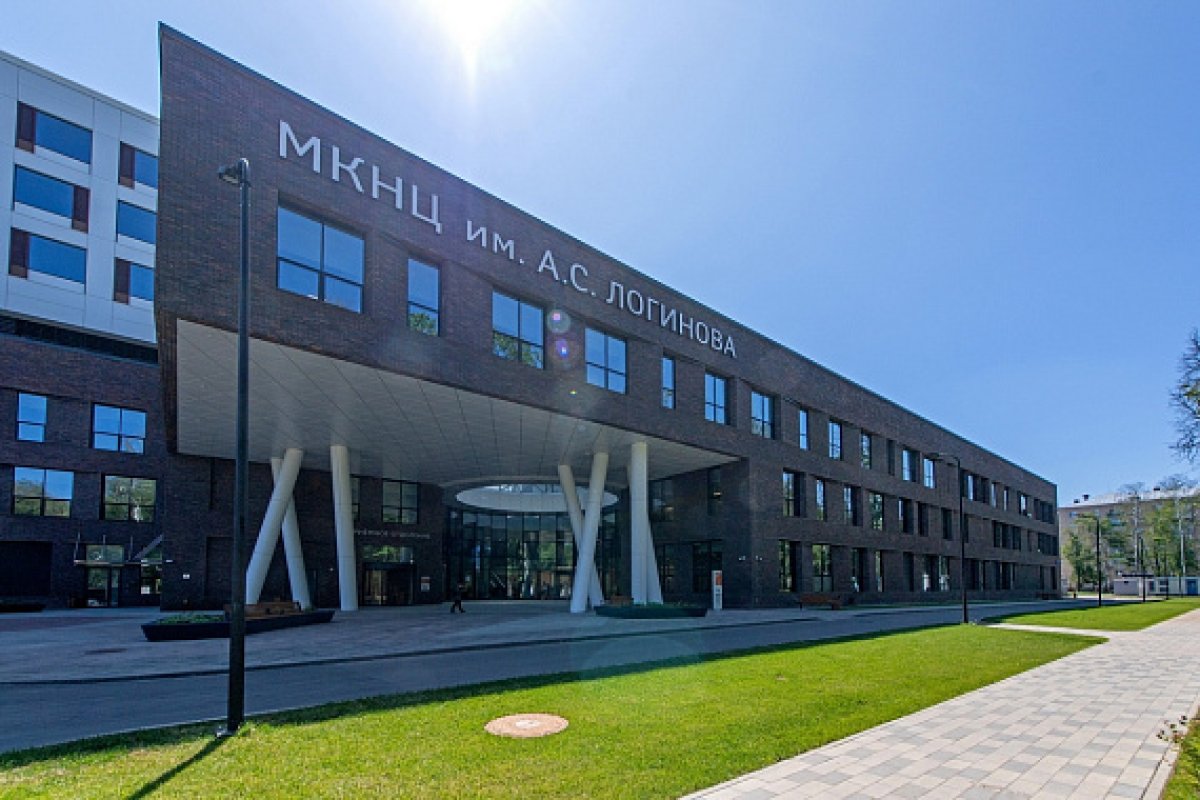
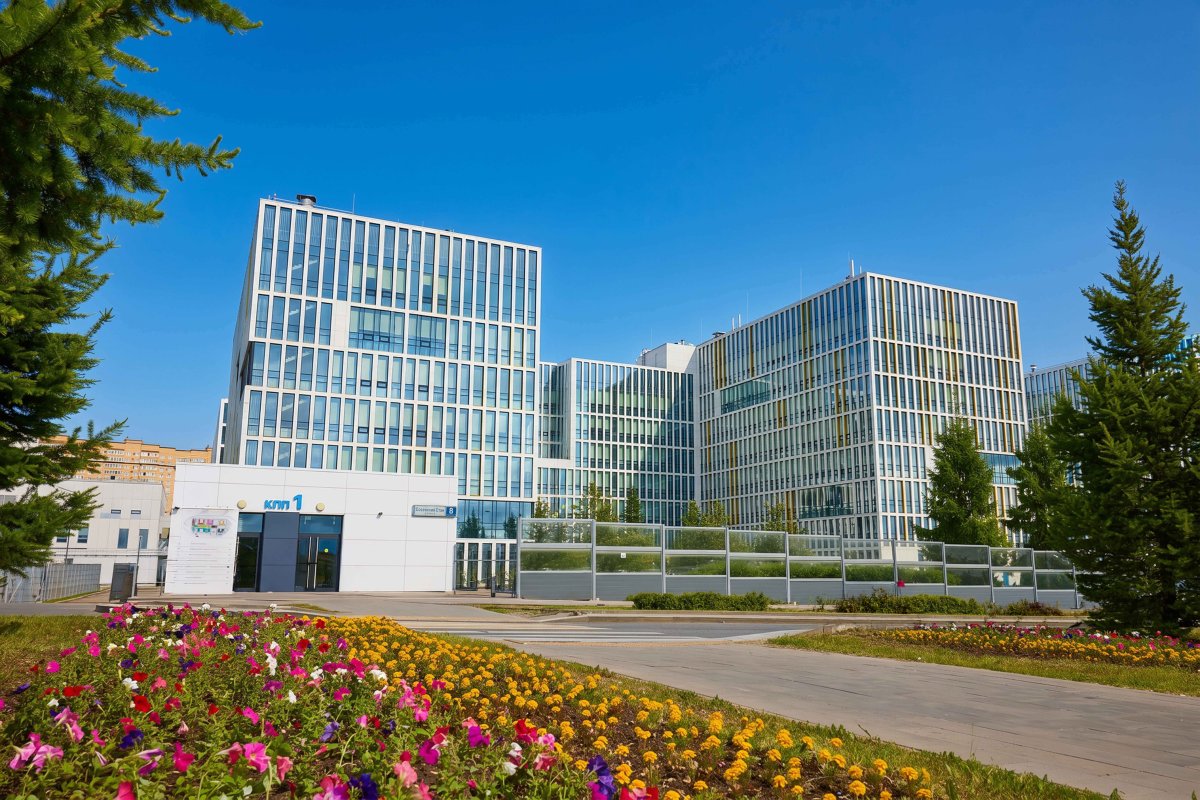
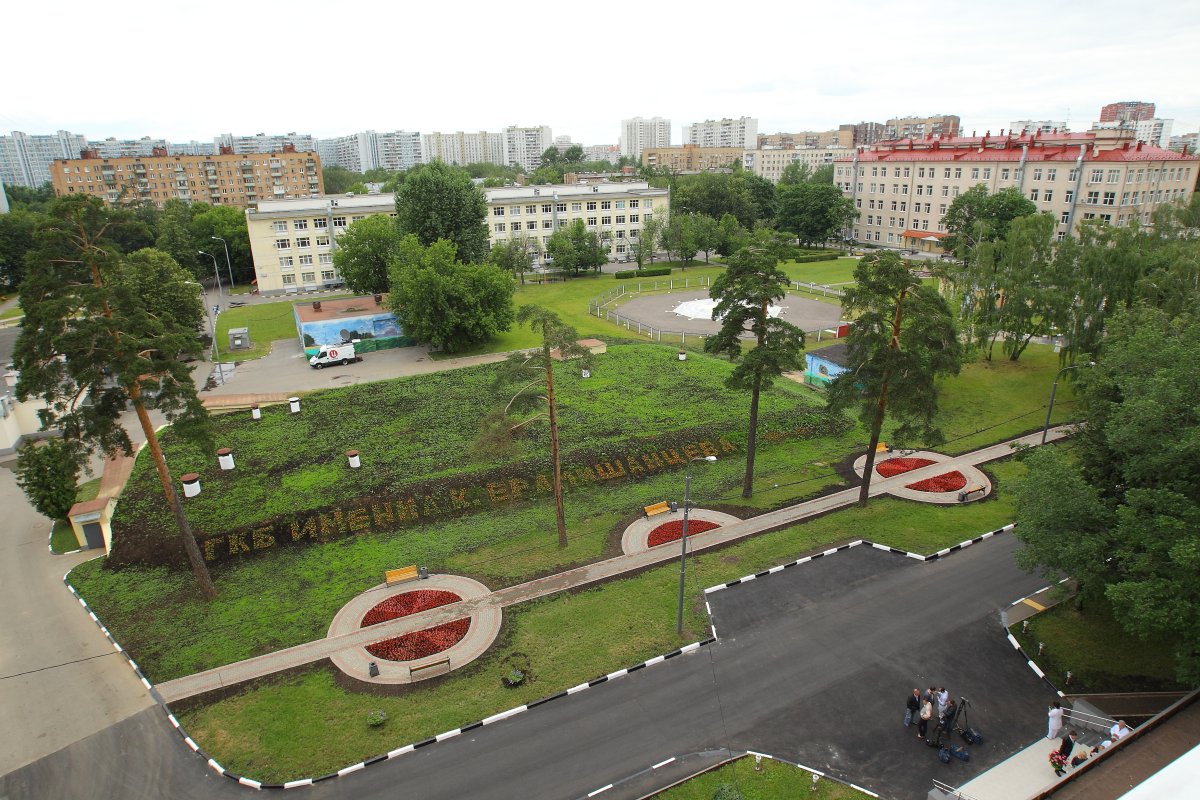
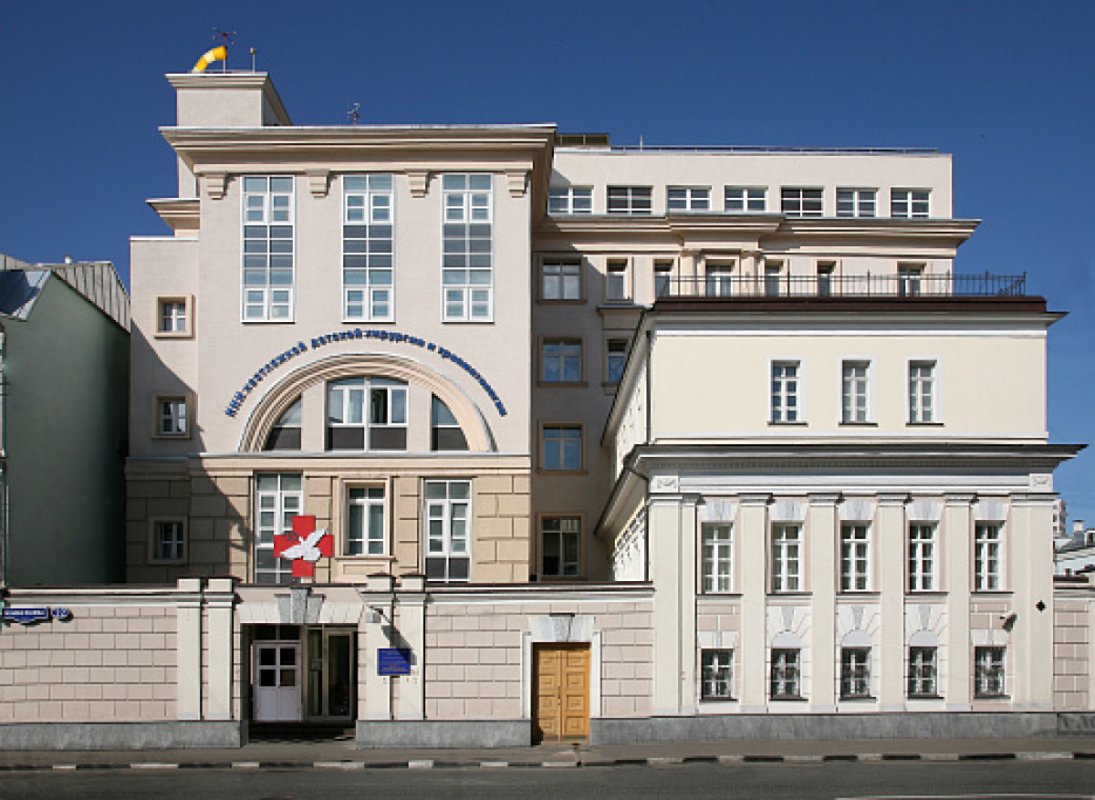
Medical Centers
In Moscow, the level of competence in most medical specialties is higher than in many countries.
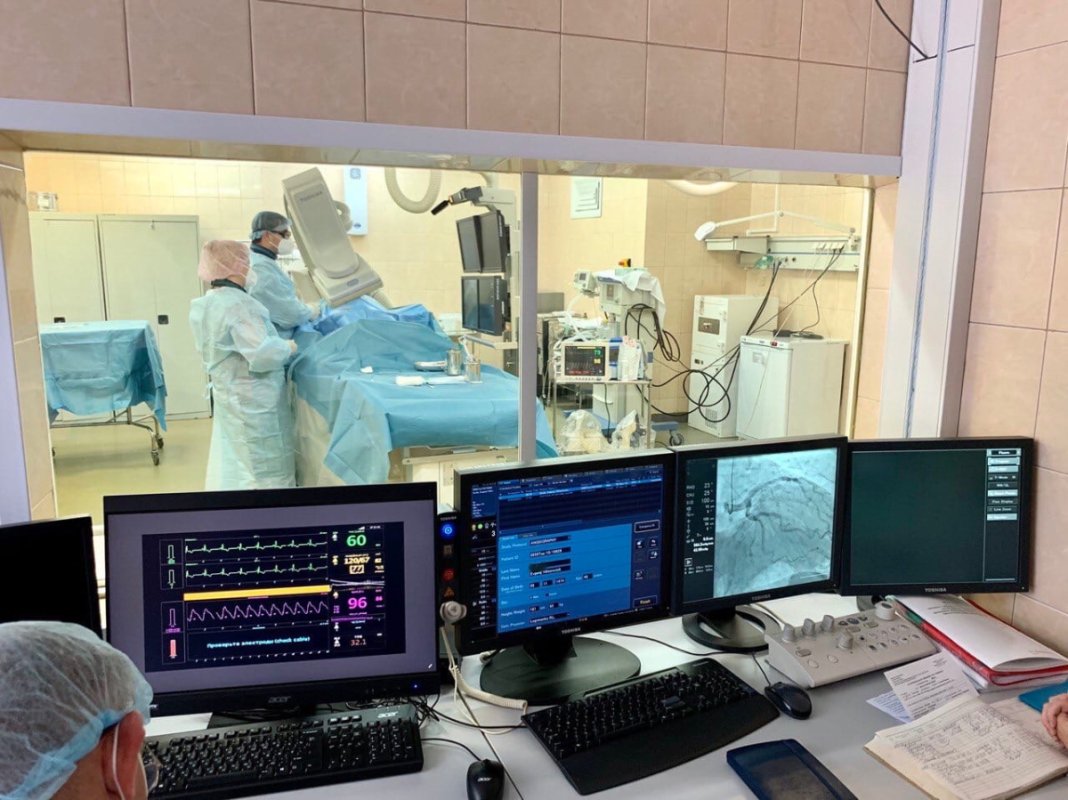
Veresaev Hospital
Leading directions:

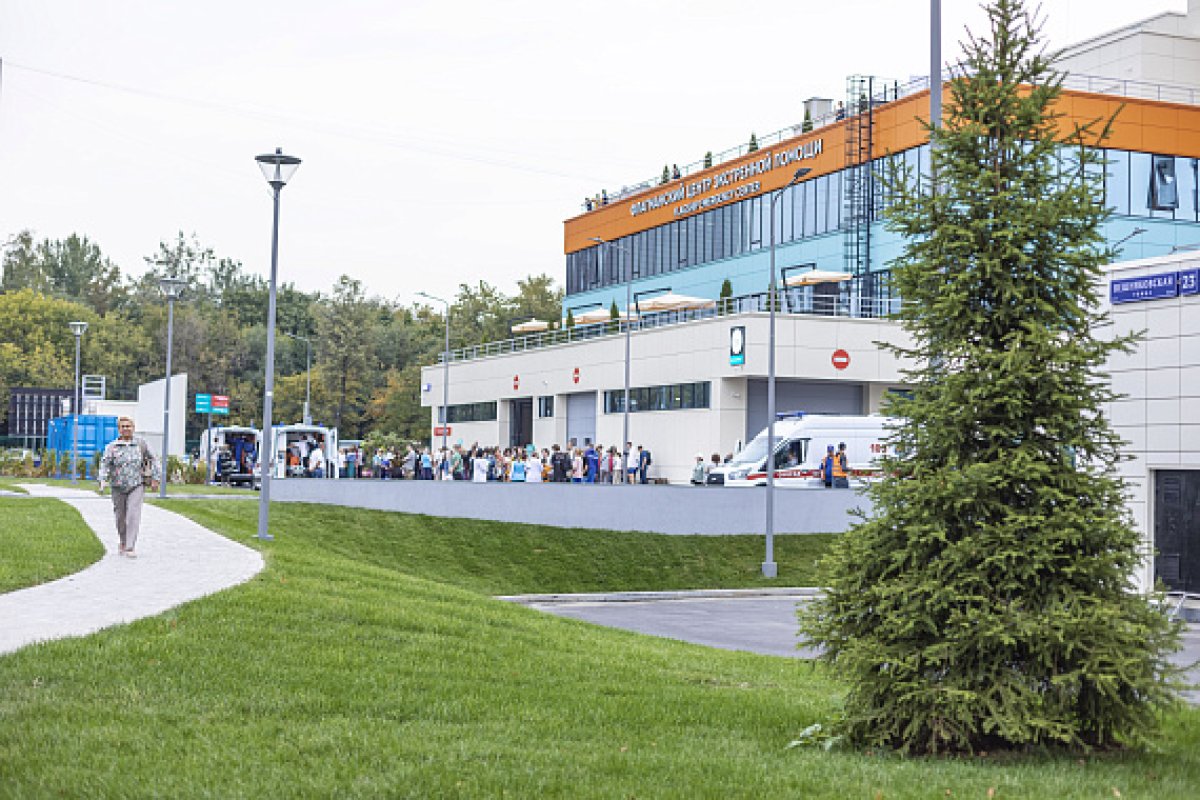
Filatov Hospital No. 15
Leading directions:
more + 2
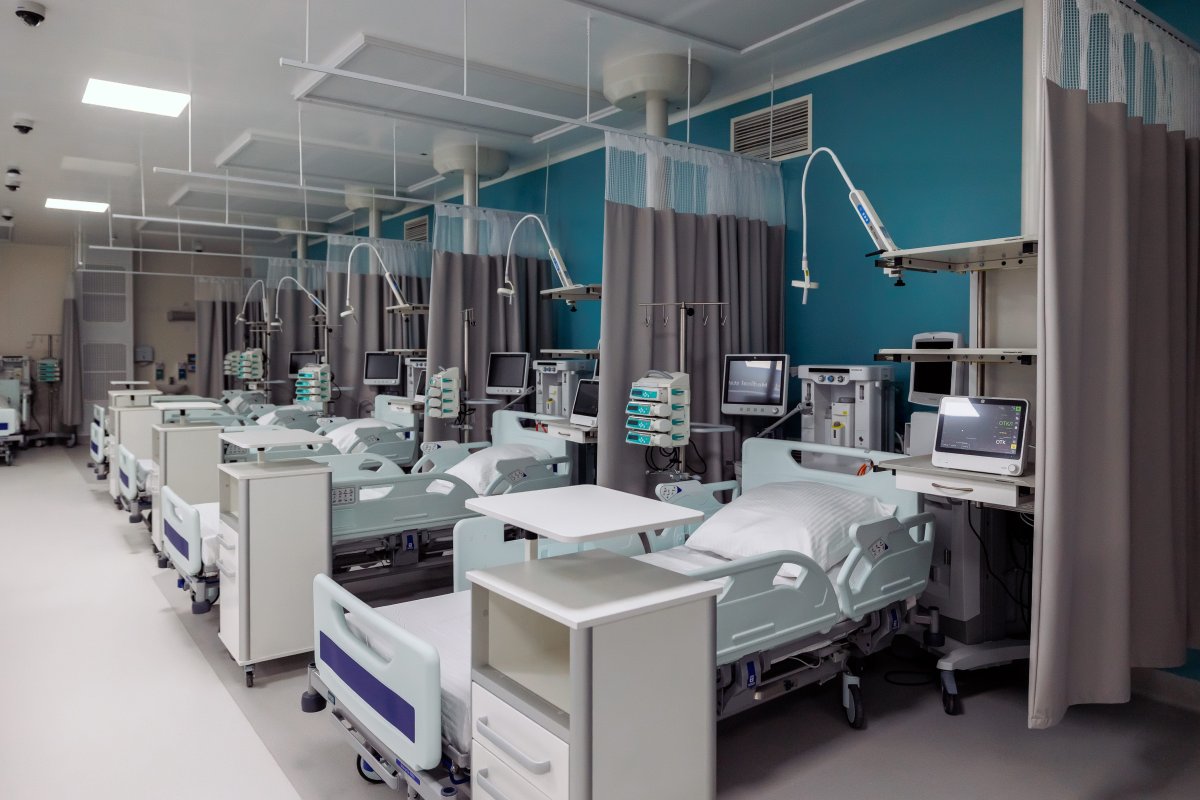
Buyanov Hospital
Leading directions:
more + 3
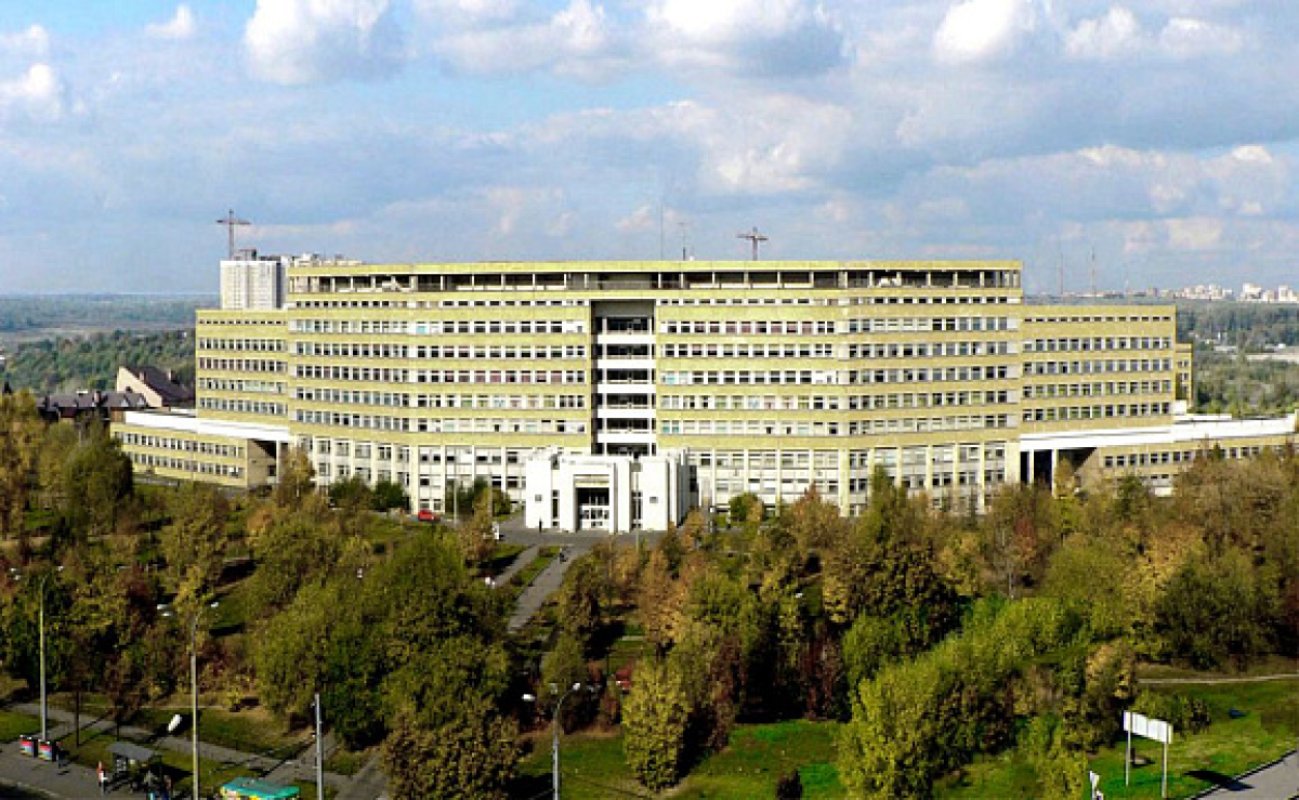
Bashlyaeva Children's Hospital
Leading directions:
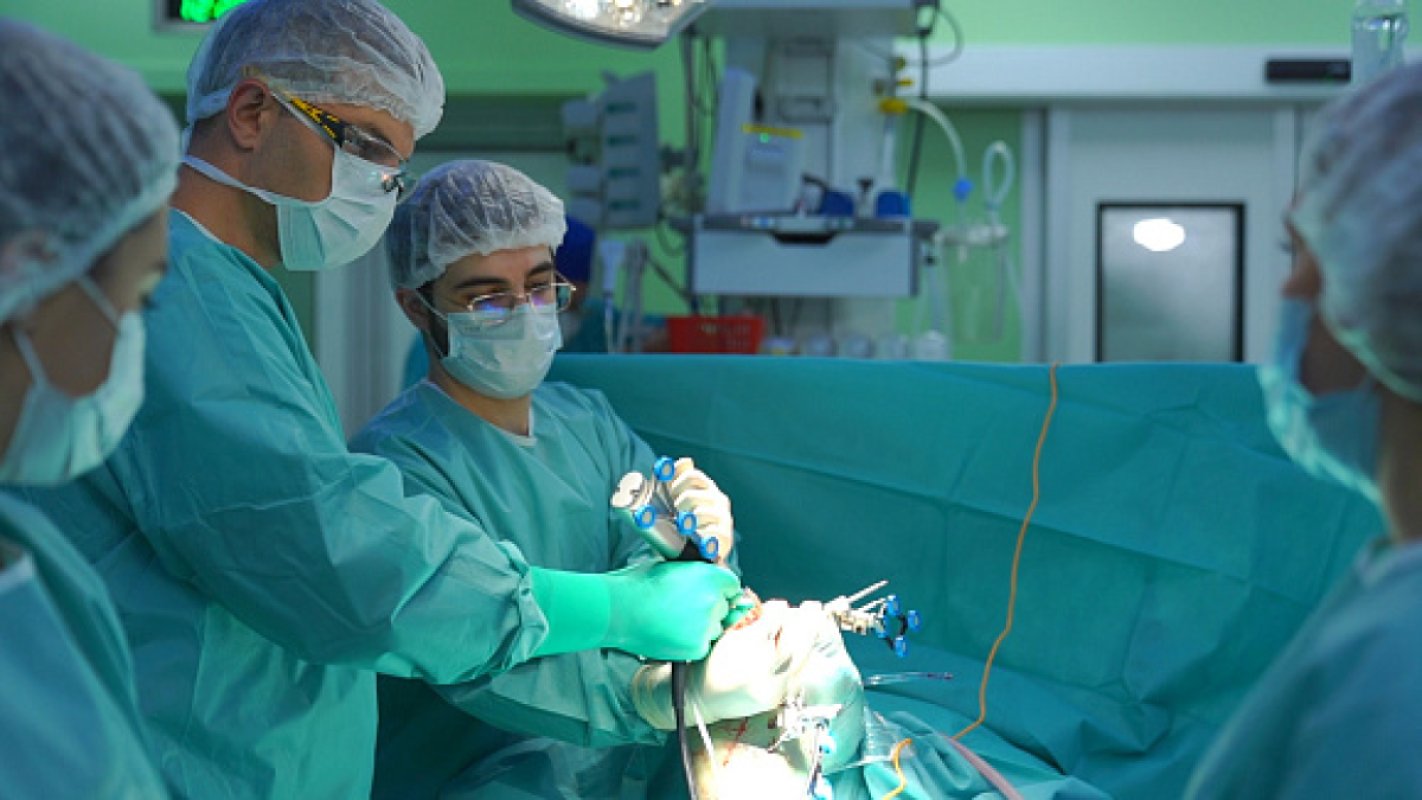
Savelyeva Hospital No. 31
Leading directions:
more + 2
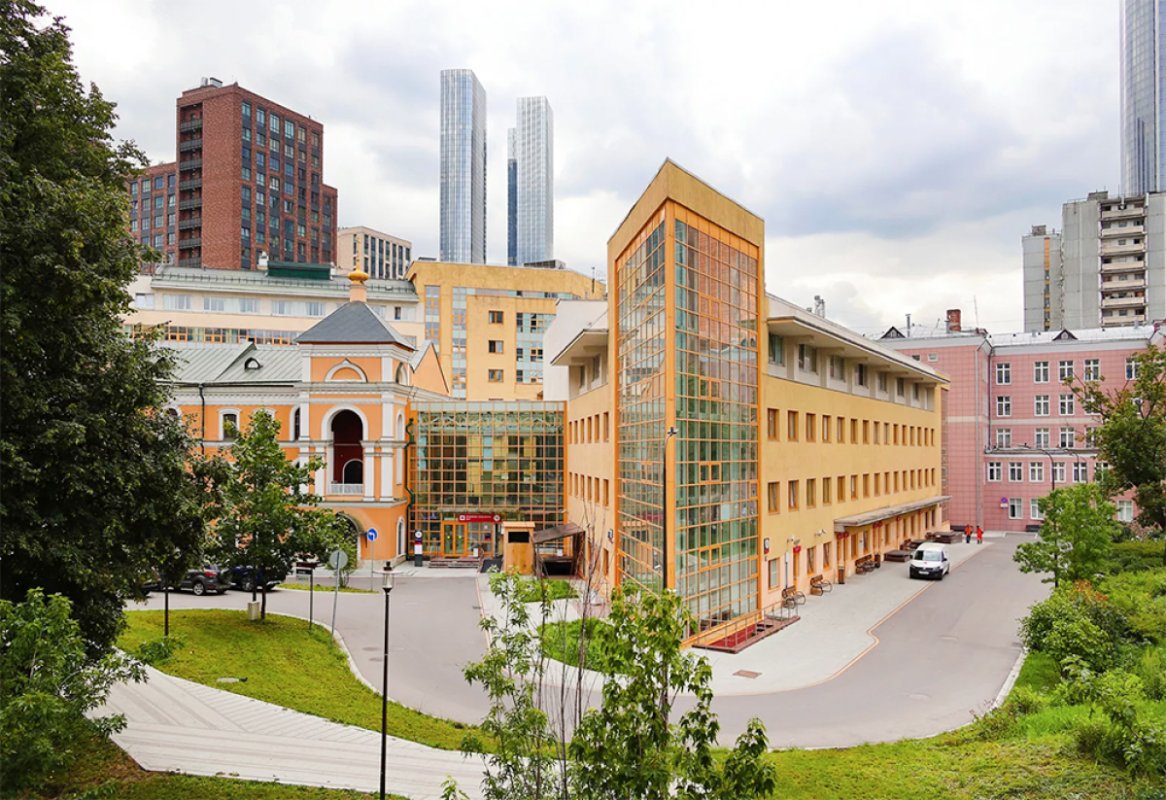
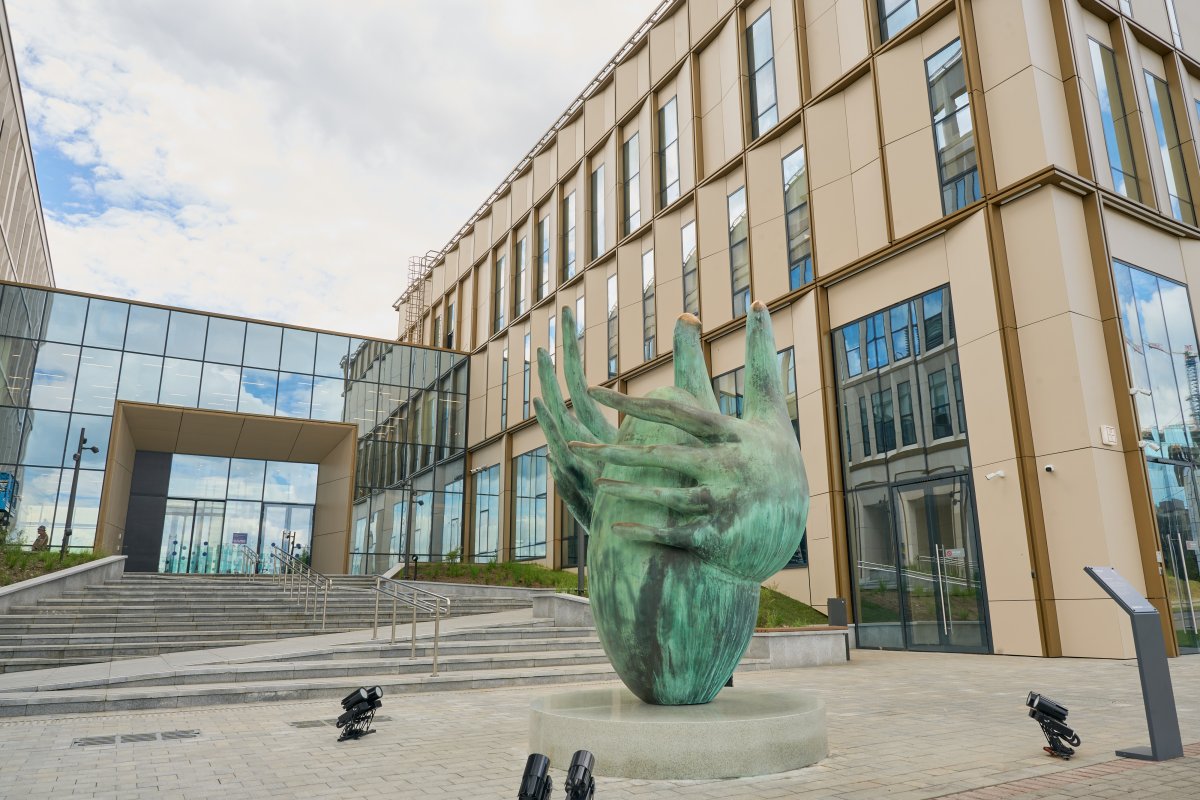
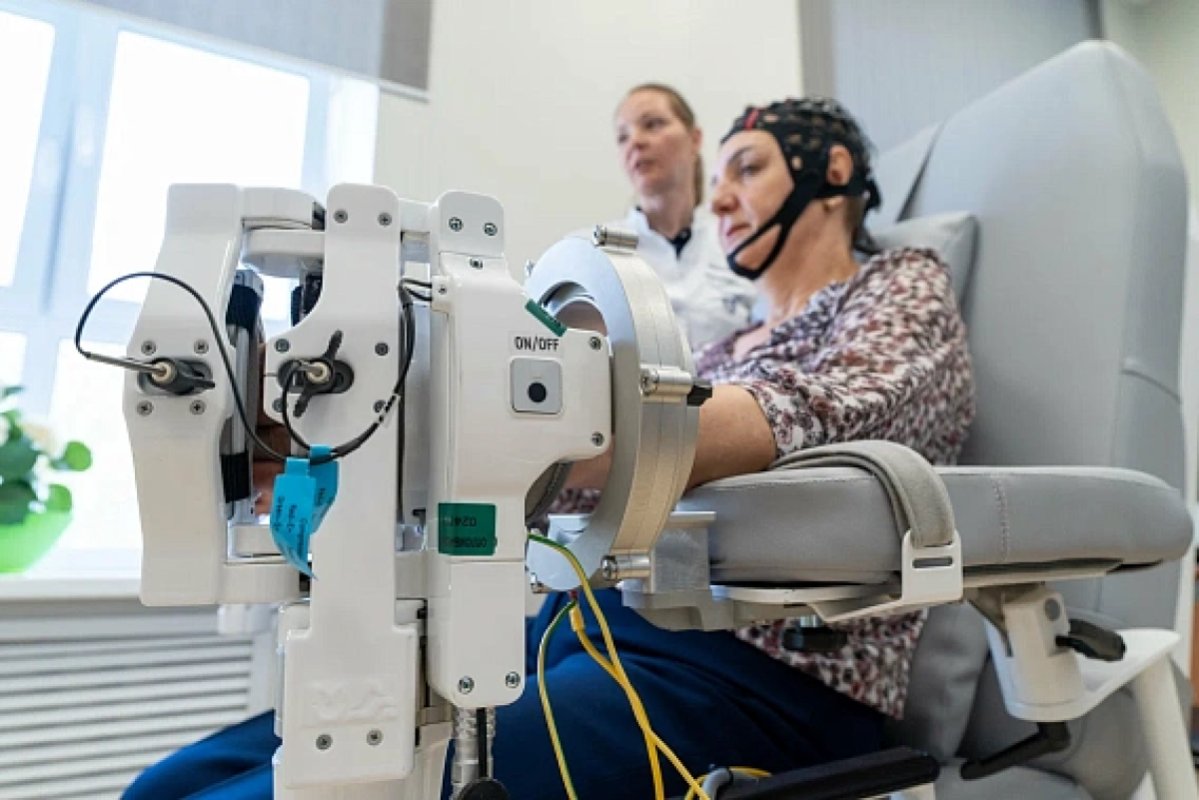
Spasokukotskiy Center for Research and Practice in Medical Rehabilitation, Restorative and Sports Medicine
Leading directions:
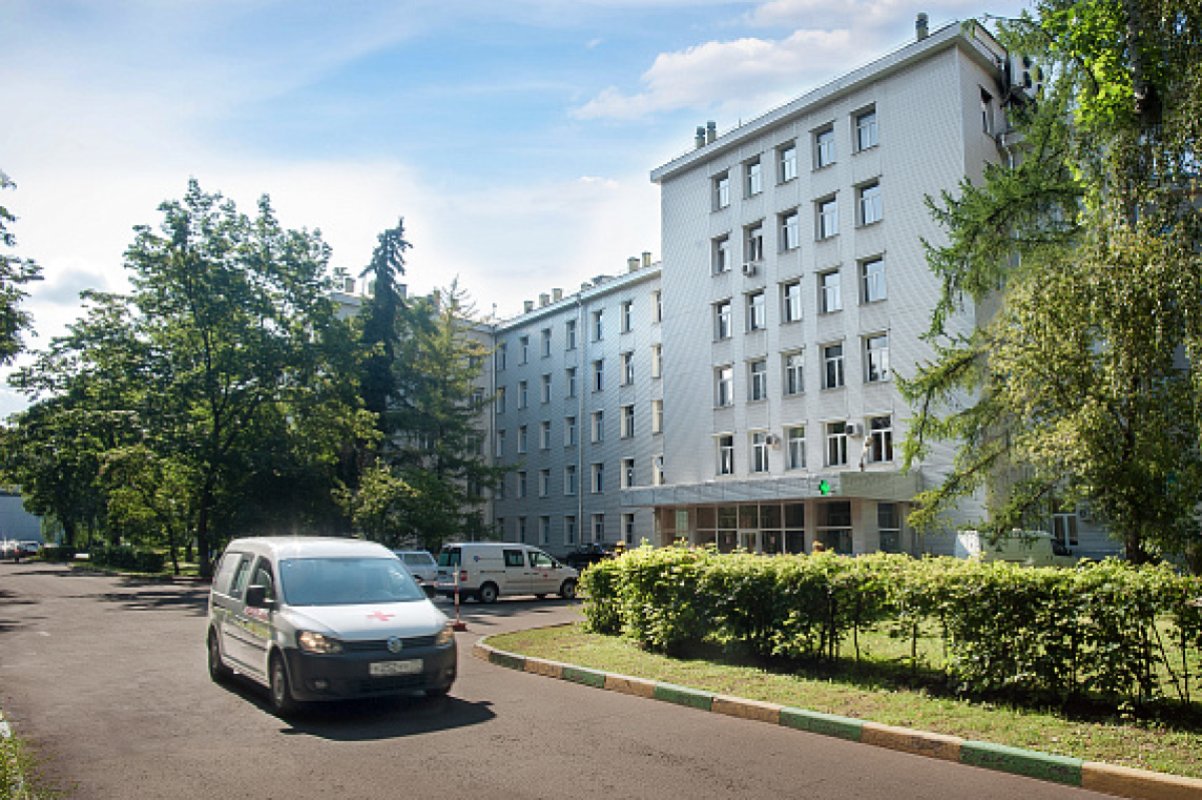
Vorokhobov Hospital No. 67
Leading directions:
more + 1
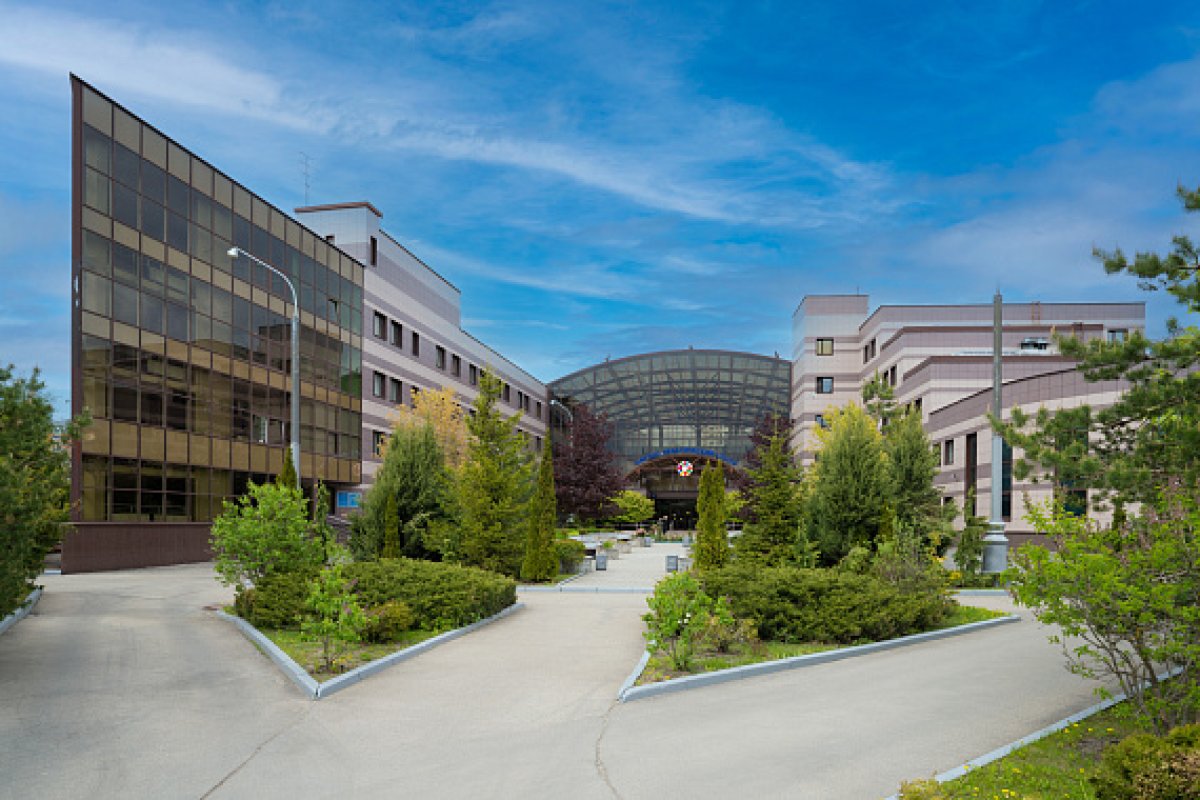
Center of Specialized Medical Care for Children
Leading directions:
more + 4

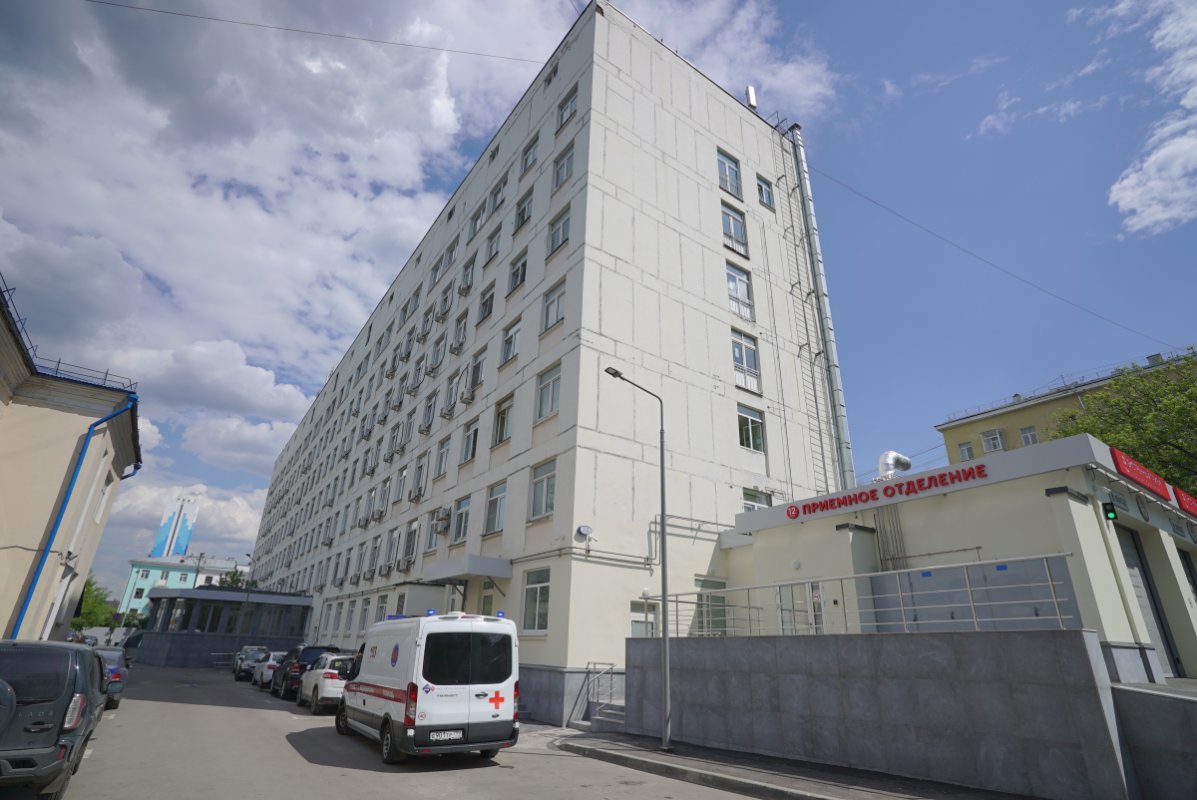
Demikhov Hospital
Leading directions:
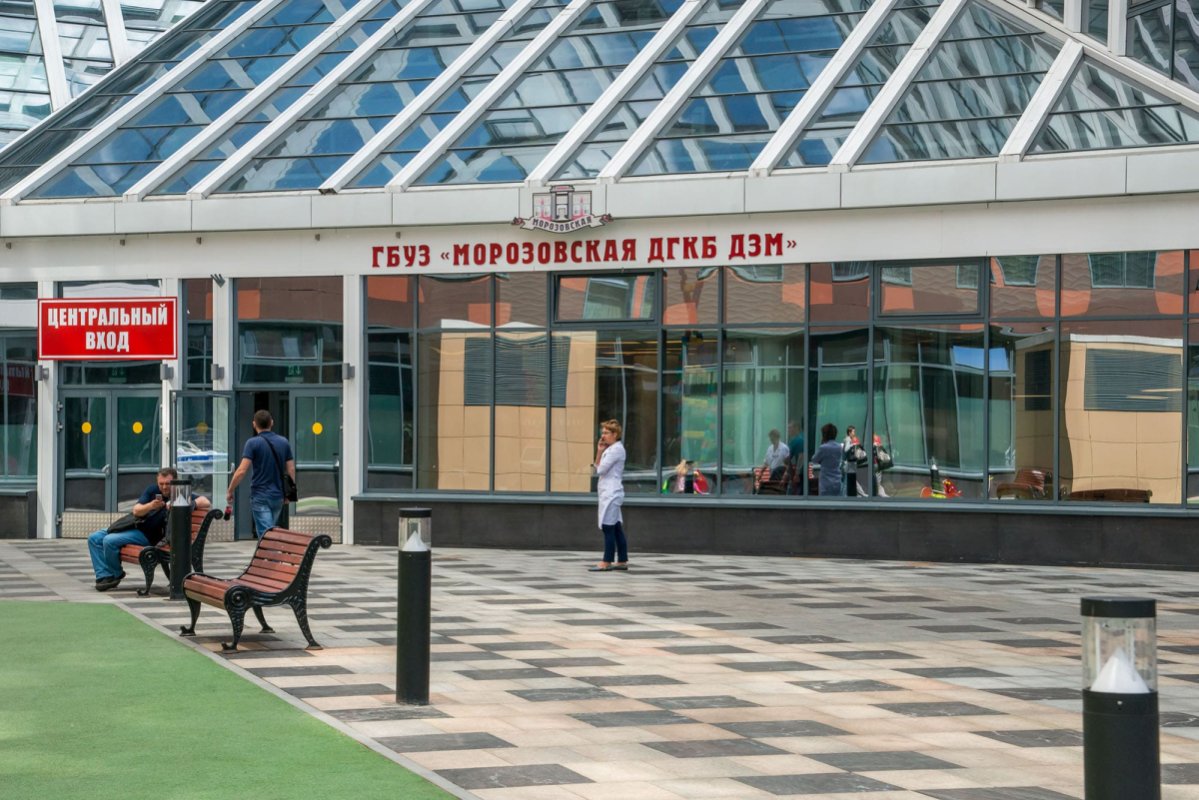
Morozov Children's Hospital
Leading directions:
more + 4
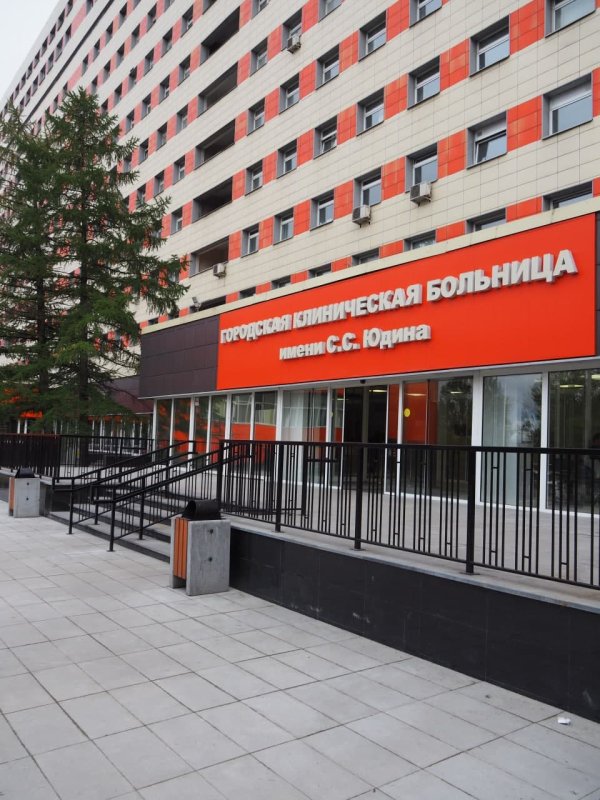
Yudin Hospital
Leading directions:
more + 5
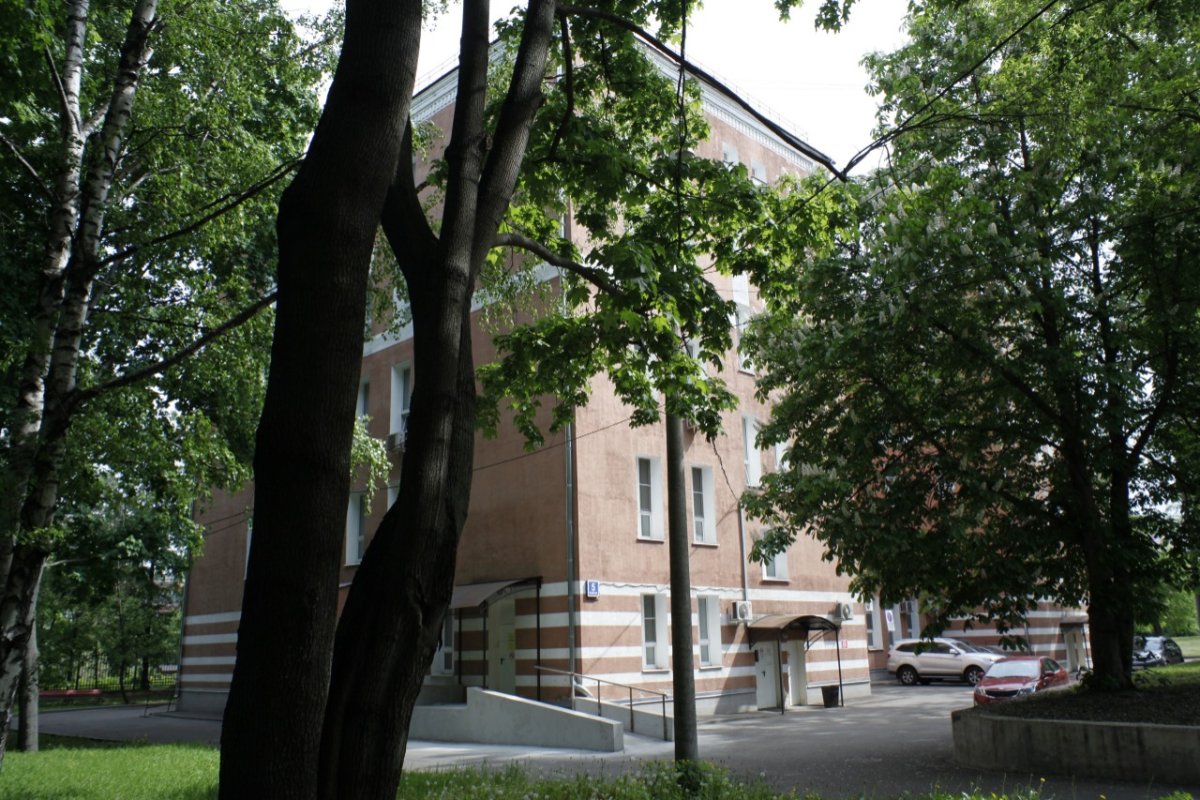
St. Vladimir Children's Hospital
Leading directions:
more + 3
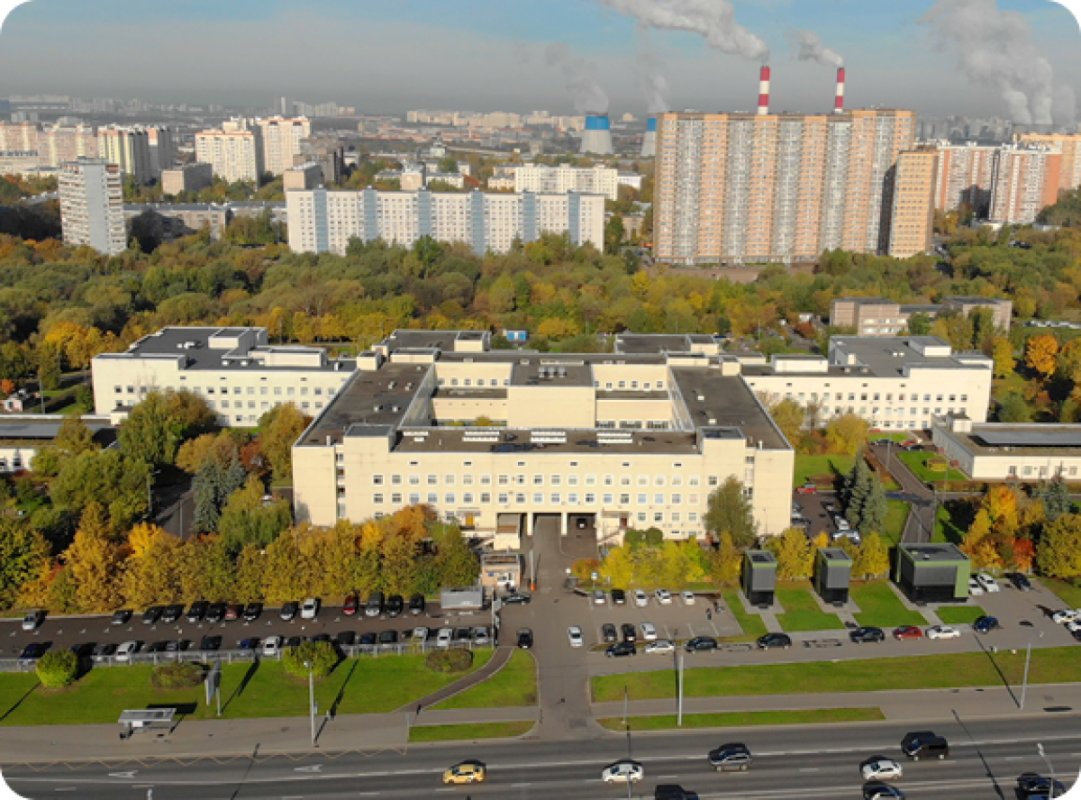
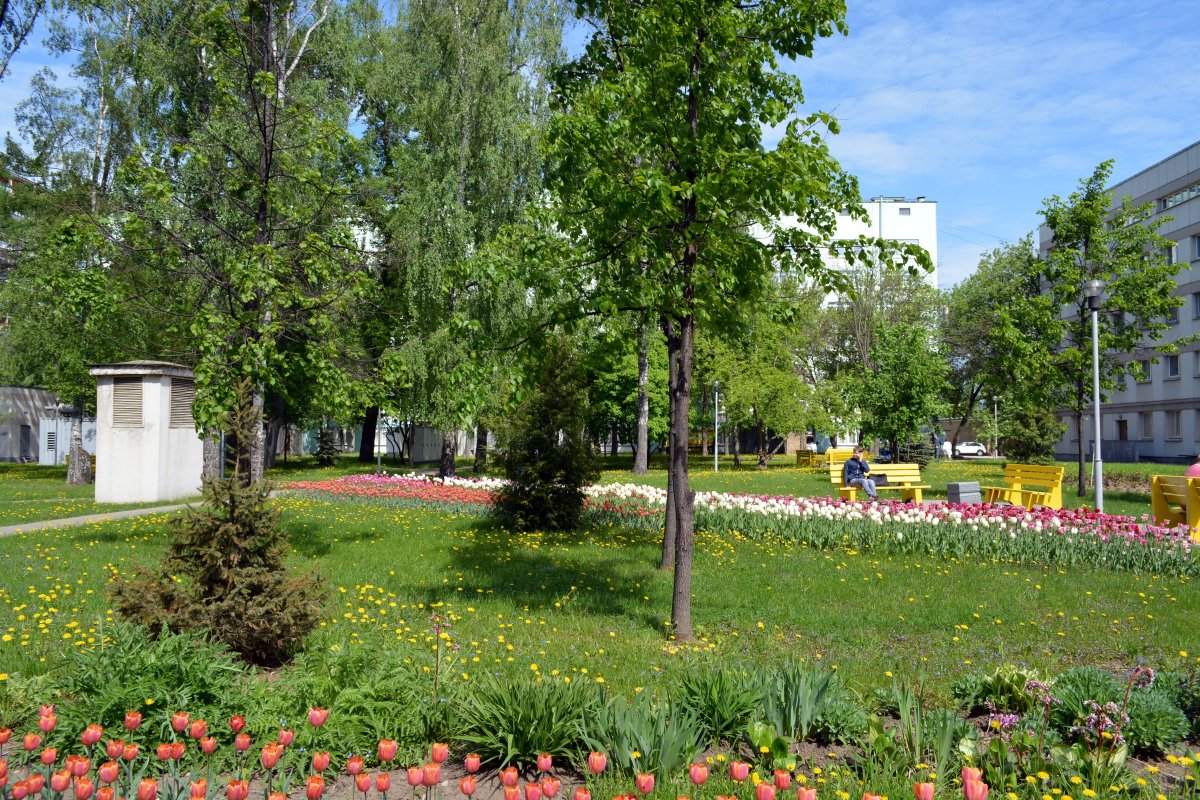
Inozemtsev Hospital
Leading directions:
more + 2
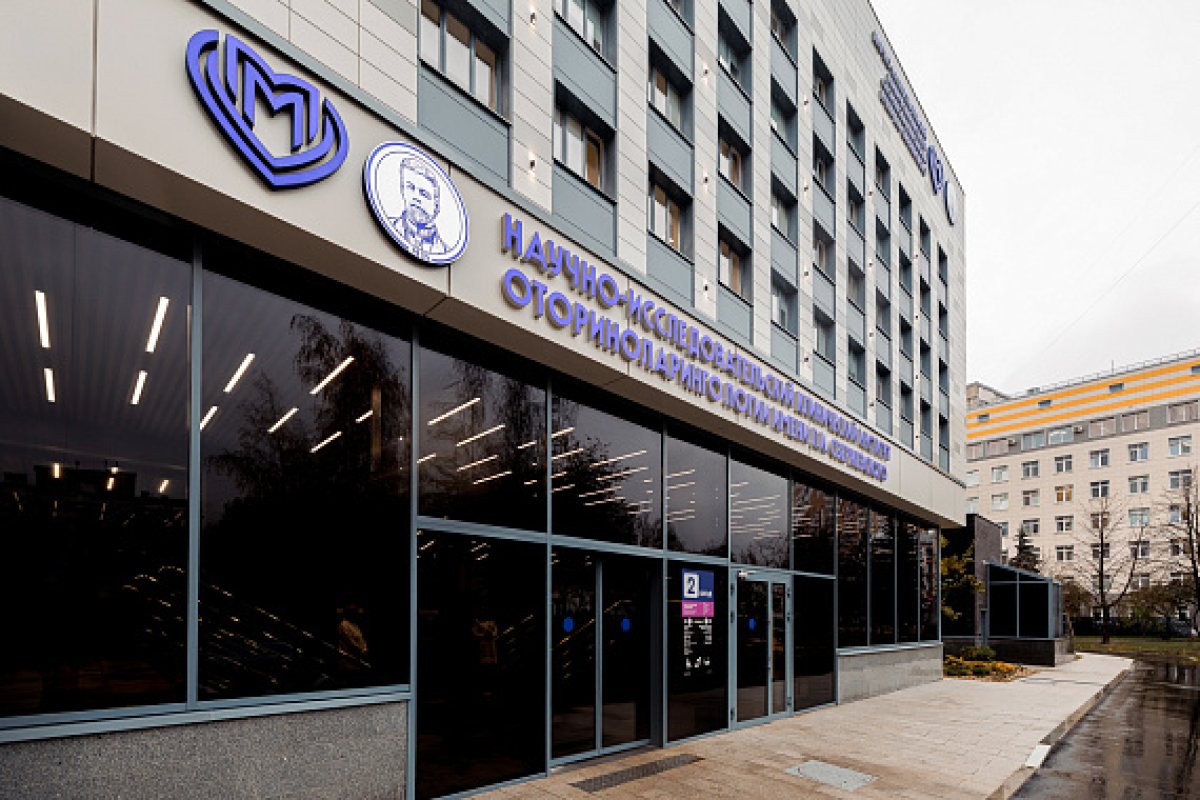
Best Doctors of Moscow
In Moscow, the level of competence in most medical specialties is higher than in many countries.
Tamirlan Gadzhiev
• Surgery of the upper urinary tract (surgical treatment of hydronephrosis, cystic dysplasia, kidney cysts, quantitative kidney abnormalities, non-functioning kidney, single kidney, dystopic kidney, double kidney and ureter). • Surgery of the lower urinary tract (surgical and intraluminal treatment of vesicoureteral reflux, ureterohydronephrosis/meagurethera, bladder diverticula, ureterocele, bladder polyps). • Surgical treatment of urolithiasis (retrograde intrarenal surgery using a disposable flexible ureterorenoscope, contact ureterolithotripsy, percutaneous laser nephrolitholapaxy, contact laser lithotripsy of bladder calculi). • Surgical treatment of inguinal, umbilical hernias, and hernias of the linea alba using minimally invasive techniques. • Operative andrology. Surgical treatment of cryptorchidism (including abdominal and recurrent forms), hydrocele of the testicular membranes, cysts of the spermatic cord, epididymis, and scrotum, surgical treatment of phimosis and volumetric formations of the foreskin and penis (pigmented nevi, dermoid cysts, atheromas, etc.). • Treatment of neurogenic dysfunction of the lower urinary tract (neurogenic bladder, nocturnal enuresis, etc.).
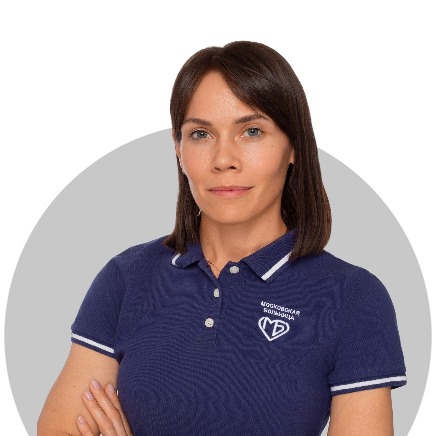
Ksenia Burlakova
• Diagnosis and treatment of ear, throat, and nose disorders, including tonsillitis, laryngitis, rhinitis, otitis, tracheitis, pharyngitis, deafness and hearing loss, and sinusitis. • Hearing-restoring surgeries.
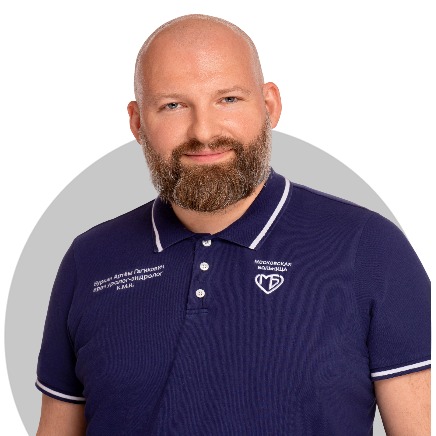
Artem Burkin
• Reconstructive surgery of the urinary tract: Management of ureteropelvic junction obstruction, megaureter, vesicoureteral reflux, and complex ureteral strictures; extensive experience in ureteral reimplantation (extravesical and intravesical techniques), pyeloplasty (open, laparoscopic), and Boari flap ureteroneocystostomy where indicated. • Urethral surgery: Reconstruction of anterior and posterior urethral strictures of traumatic, iatrogenic, and inflammatory etiology, including staged and substitution urethroplasty (buccal mucosa graft, skin grafts, and fasciocutaneous flaps). • Pediatric urogenital reconstruction: Specialized surgical care for children with congenital anomalies, including hypospadias, epispadias, disorders of sex development (DSD), and cloacal malformations. Multidisciplinary management in collaboration with pediatric endocrinologists, geneticists, and psychologists. • Endourology and stone disease: Surgical treatment of nephrolithiasis and ureterolithiasis using percutaneous mini-nephrolithotomy (mini-PCNL), retrograde intrarenal surgery (RIRS), and semirigid/flexible ureterorenoscopy with holmium laser lithotripsy. Emphasis on radiation-sparing protocols and same-day discharge pathways. • Surgical andrology: Microsurgical subinguinal varicocelectomy using an operating microscope; surgical management of hydrocele, spermatocele, epididymal cysts, and cryptorchidism (including laparoscopic Fowler–Stephens orchiopexy for intra-abdominal testes). • Disorders of sex development and gender incongruence: Reconstructive genital surgery in patients with DSD, including feminizing and masculinizing genitoplasty, gonadectomy, and staged reconstruction as part of a comprehensive gender-affirming care pathway. • Abdominal wall surgery: Repair of inguinal and umbilical hernias in pediatric and adult populations, utilizing both open and laparoscopic techniques with mesh and tension-free principles where appropriate. Surgical Approaches and Technological Integration • Minimally invasive platforms: Conventional laparoscopy. • Endoluminal interventions: Ureteroscopy, cystoscopy, and percutaneous nephrostomy-guided procedures. • Microsurgery: Operating microscope-assisted procedures for spermatic cord pathology and penile reconstruction.
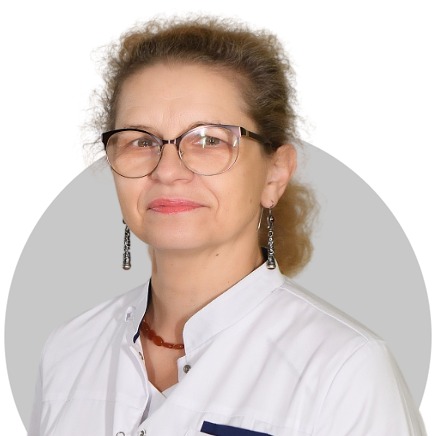
Yuliya Bagaeva
Specialist in rehabilitation of skeletal trauma, combined trauma, mine-blast trauma in children, conservative treatment of scoliosis, posture disorders, rehabilitation after joint surgeries (knee, shoulder, elbow) – on the ligamentous apparatus, menisci in children and adolescents
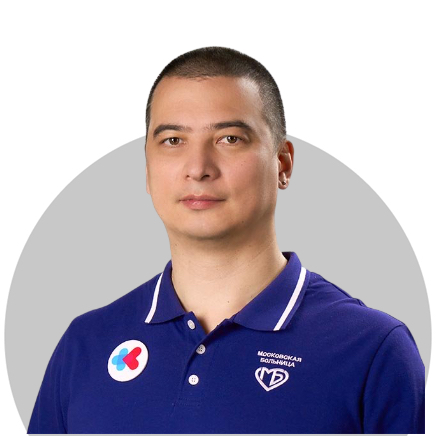
Rem Volkov
Assessment of the cardiovascular system and vascular endothelial function in patients with various gynecological pathologies and in pregnant women Diagnosis of various intrauterine fetal pathologies Prenatal medicine and fetal surgery
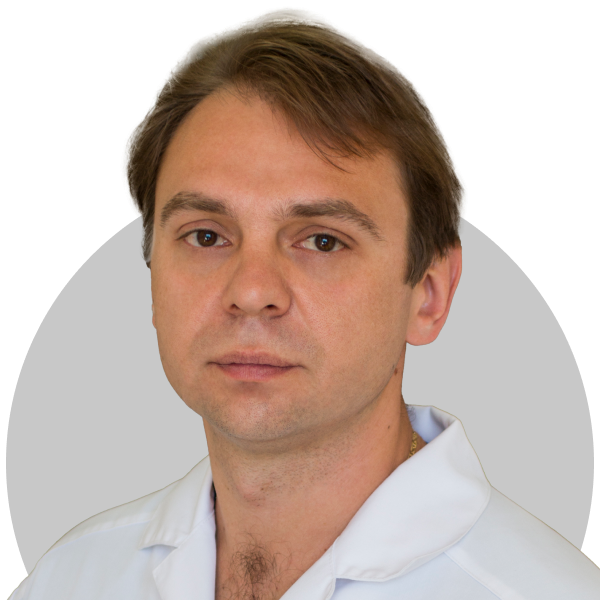
Nikolay Shevchenko
Proficient in all types of surgical interventions in gynecology: abdominal, laparoscopic, laparotomic, and vaginal approaches, including minor gynecological procedures. Utilizes modern minimally invasive technologies in practice. Surgical Interventions • Organ-preserving surgeries for various forms of endometriosis: removal of endometrioid cysts, excision of infiltrates, etc. • Reconstructive and plastic surgeries for infertility, adhesive disease, and chronic pelvic pain. • Hysterectomy – via laparoscopic, vaginal, and laparotomic approaches. • Hysteroresectoscopic surgeries: resection of submucous myomatous nodes and polyps, incision and excision of intrauterine septa, destruction of synechiae, ablation and resection of the endometrium. • Organ-preserving surgeries for ectopic pregnancy. • Surgical correction of isthmic-cervical insufficiency (via laparoscopic and vaginal approaches). • Reconstructive surgeries for cicatricial deformity of the cervix. • Organ-preserving treatment for benign ovarian diseases. • Removal of benign uterine formations (myomatous and adenomatous nodes of any location) with preservation of reproductive function. Urogynecology and Correction of Pelvic Organ Prolapse • Surgical treatment for pelvic organ prolapse – using native tissues and mesh implants. • Treatment of urinary incontinence, including sling operations. • Subfascial colpoperineorrhaphy. • Correction of cervical elongation.
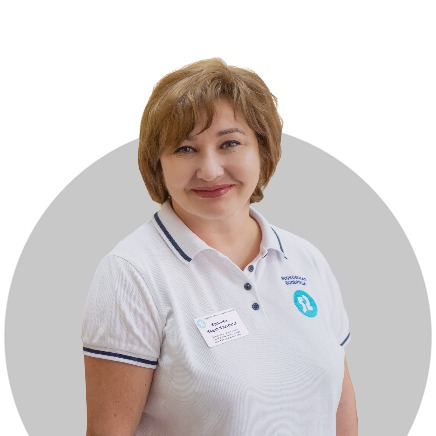
Nadiya Frolova
Leading specialist in renal immunopathology, secondary kidney involvement in systemic diseases, plasma cell dyscrasias, transplant pathology, urgent nephrology, and life-threatening kidney damage in pregnant women. Leading federal consultant in nephrology.
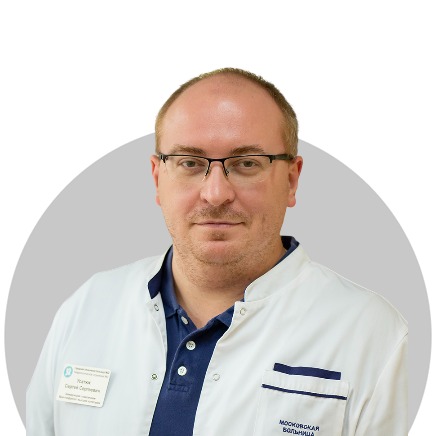
Sergey Usatyuk
Conducts screening for autoimmune diseases. When an autoimmune disease is identified, applies timely and appropriate treatment methods to prevent disease progression.
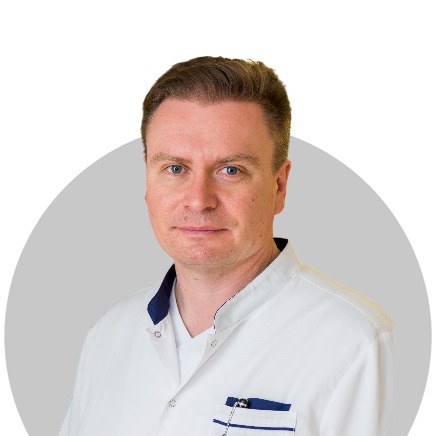
Ruslan Trushkin
Expert in the fields of Urology and Urologic Oncology. Proficient in all modern methods of examination and treatment of urological patients, including a wide range of surgical interventions under ultrasound and X-ray television guidance, as well as laparoscopic procedures. Pioneered a number of surgical procedures in the Russian Federation: laparoscopic resection of a renal transplant, laparoscopic removal of a renal transplant, laparoscopic bilateral transplantectomy (renal transplants), and laparoscopic simultaneous bilateral nephroureterectomy with cystoprostatovesiculectomy as a single block.
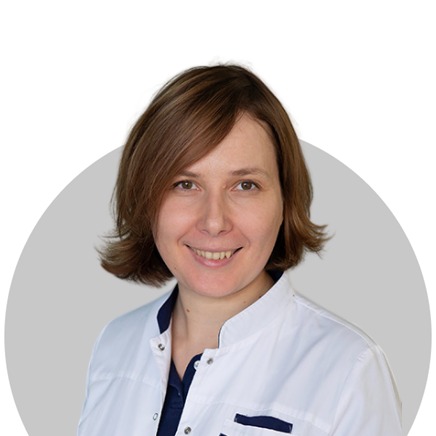
Anna Rusanovskaya
Expert in vitreoretinal surgery, cataract surgery (including complicated cases), glaucoma surgery, and laser intraocular surgery.
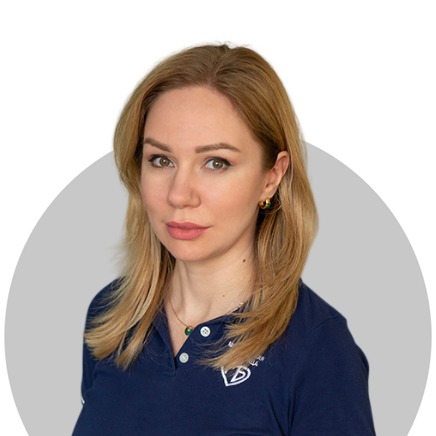
Yuliya Kopchenova
Cataract surgery with implantation of all models of intraocular lenses (toric, multifocal, extended depth of focus, hybrid). Intravitreal drug administration. Repositioning with intraocular lens suturing. Surgeries on the adnexa of the eye.
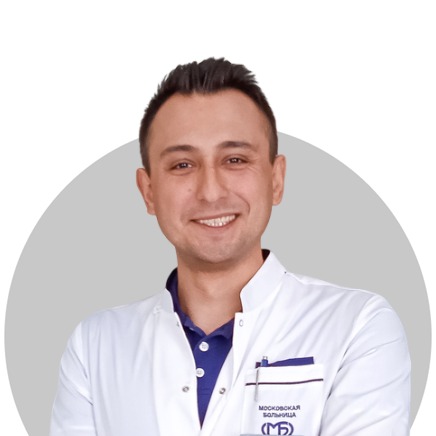
Teymur Isaev
Specialist in the fields of Urology and Urologic Oncology. Primary scientific and clinical focus areas include: combined treatment of high-risk prostate cancer (High-Dose-Rate brachytherapy and radical prostatectomy), renal cell carcinoma in transplanted kidneys and organ-sparing surgery for renal transplants, and endourological interventions for urolithiasis and ureteral strictures.
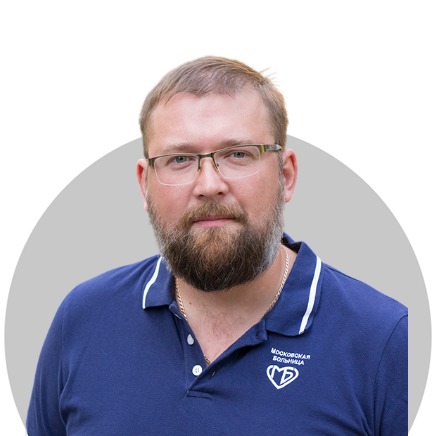
Andrey Zalizko
Expert in ear microsurgery: performs all types of tympanoplasty, ossiculoplasty, and stapedoplasty, including reconstructive interventions for chronic otitis media, including those complicated by cholesteatoma. In endoscopic rhinosurgery, specializes in functional operations for chronic sinusitis, polyposis, nasal septum deviation, and nasal septum perforation repair.
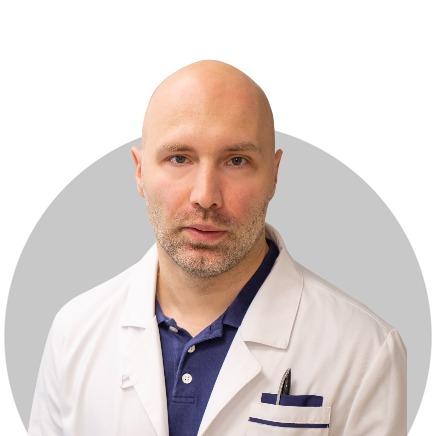
Vasiliy Grabovskiy
Performs all types of surgical interventions: in obstetric practice: operative and vaginal deliveries; cesarean section for placenta accreta; simultaneous myomectomies and cystectomies during operative delivery; in gynecological practice (myomectomy via transvaginal, laparoscopic, and laparotomic approaches; hysterectomy (via vaginal, laparoscopic, and laparotomic approaches); surgeries for pelvic organ prolapse, ovarian masses, and others.
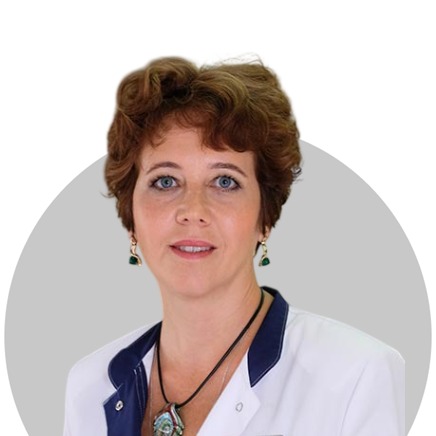
Lyudmila Artyukhina
Expert in the management of post-kidney transplant patients and treatment of patients at all stages of chronic kidney disease. Actively utilizes remote patient monitoring capabilities through an online platform. Develops and implements innovative principles for managing kidney transplant recipients, employing morphological, immunological, and molecular genetic diagnostics, monitoring and adjustment of immunosuppressive therapy, treatment of various pathologies of the renal transplant, and management of infectious complications of immunosuppressive therapy.
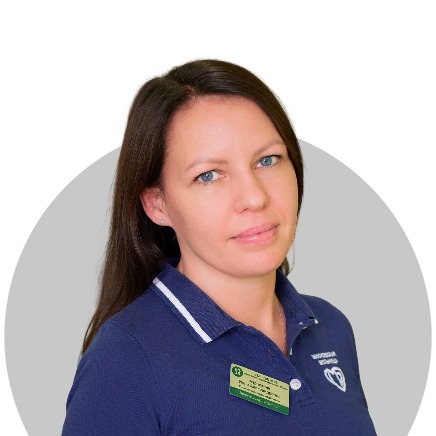
Inna Azrapkina
Dr. Azrapkina performs all types of surgical interventions: myomectomy via transvaginal, laparoscopic, and laparotomic approaches; hysterectomy (via vaginal, laparoscopic, and laparotomic approaches); hysteroscopy; surgeries for pelvic organ prolapse, ovarian masses, and others.
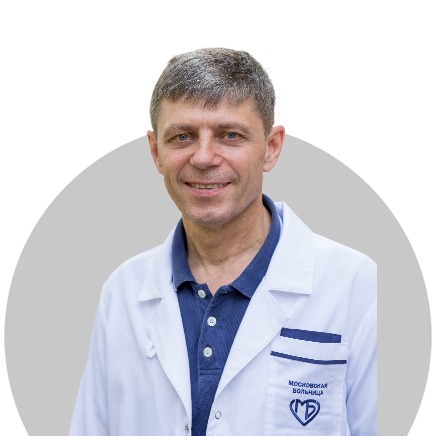
Pavel Аzarov
Expert in middle ear surgery: performing various types of canal wall down and hearing improvement procedures, removal of benign temporal bone neoplasms, and performing functional endoscopic surgeries for diseases of the nasal cavity and paranasal sinuses.
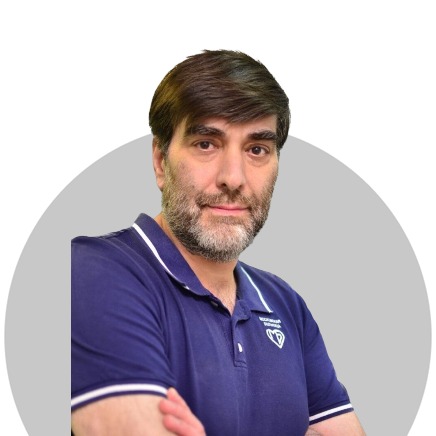
Malik Efendiev
Areas of work: Hysteroscopy, separate diagnostic curettage; hysteroresectoscopy, polypectomy, myomectomy, excision of the intrauterine septum; artificial termination of pregnancy, biopsy/conization of the cervix; suturing of vaginal ruptures; removal of the bartholin gland cyst; diagnostic laparoscopy; laparoscopic operations on the uterine appendages, supravaginal amputation of the uterus, extirpation of the uterus, myomectomy, treatment infiltrative forms of endometriosis; laparoscopic operations of any degree of complexity to solve infertility problems; vaginal surgery (plastic surgery of the vaginal walls, plastic surgery of the cervix, extirpation of the uterus); Manchester surgery.
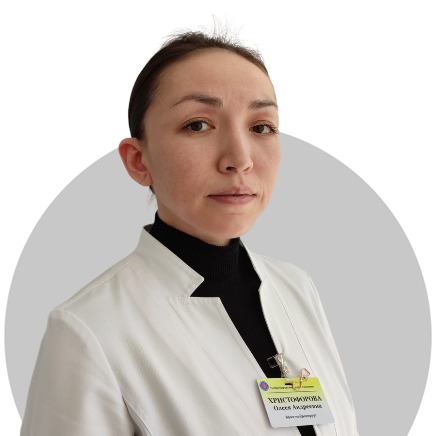
Olesya Khristoforova
He is proficient in a wide range of surgical and minimally invasive techniques for treating pathologies of the central and peripheral nervous system. His area of expertise includes: surgical interventions for severe traumatic brain and spinal cord injuries. Surgical treatment of degenerative and dystrophic diseases of the spine (including intervertebral hernias and stenosis). Emergency neurosurgical care for urgent conditions (consequences of ischemic strokes, hemorrhages). Conducting therapeutic and medication‑based blockades to relieve persistent pain syndromes.
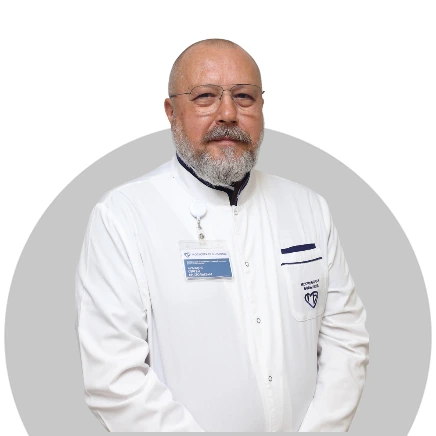
Kravtsov Sergey Anatolyevich
Surgical treatment of patients with malignant neoplasms of the head and neck organs. Applies low-traumatic and organ-preserving surgical techniques for tumor removal using a modern laser unit and video endoscopic equipment, performs the full range of reconstructive and plastic surgeries, both simultaneous and delayed.
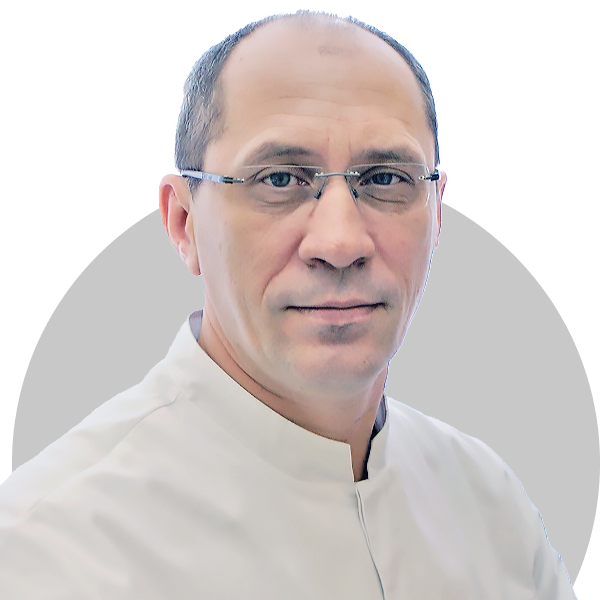
Andrey Miroshnichenko
The doctor provides both conservative and surgical treatment for acute and chronic diseases of the ear, nose, and throat. He specializes in microsurgical procedures, including adenotomy, tonsillotomy, tonsillectomy, septoplasty, video-endoscopic sinus surgery, conchoplasty (vasotomy), tympanoplasty, and others. His practice encompasses all types of endoscopic microsurgical interventions of the nasal cavity, paranasal sinuses, skull base, and laryngeal structures.
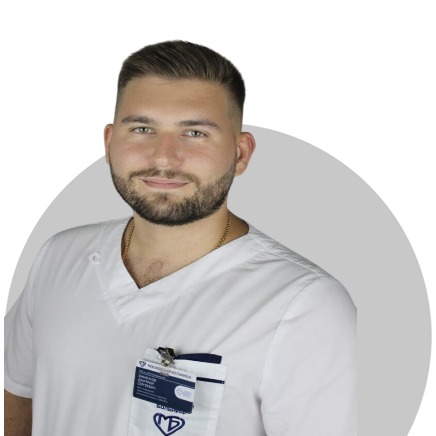
Dmitry Zimenkov
He specializes in performing full‑range neurosurgical procedures, including the removal of intervertebral hernias, and also pays special attention to revascularization surgeries on the brain.
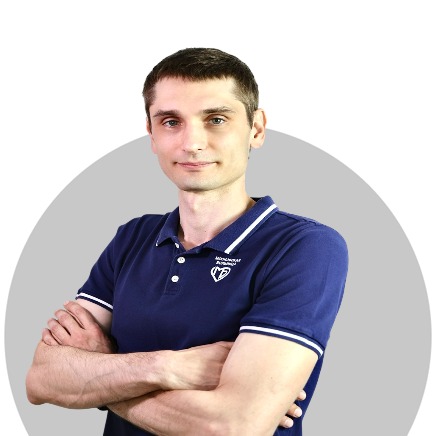
Ilya Golovchenko
He has unique experience in the treatment and diagnosis of gynecological diseases, which allows him to use the most modern and high‑tech methods. In surgical treatment, minimally invasive videoendosurgical techniques are widely used. At present, the main surgical approaches in gynecological operations are: laparoscopic; vaginal; using modern endoscopic and radio‑wave devices, which leads to an intensification of the treatment process, a reduction in postoperative hospital stay, a decrease in postoperative complications, and helps to reduce blood loss.
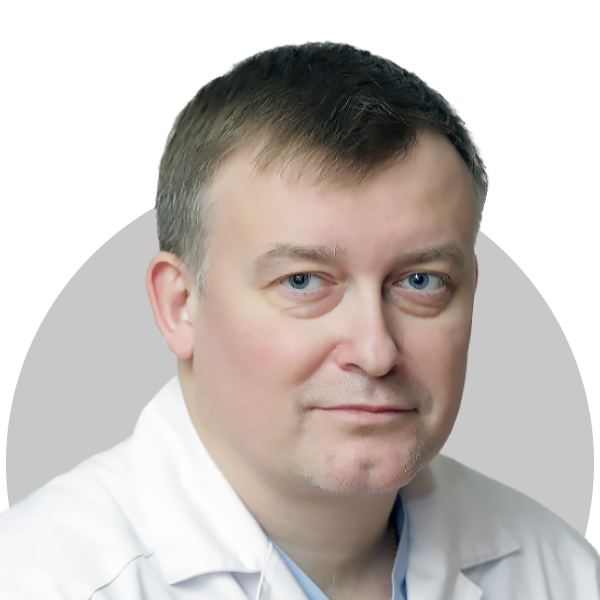
Yaroslav Bolshakov
Dr. Bolshakov provides treatment and prevention of diseases of the eye and its adnexa, as well as performs glasses prescription. He carries out conservative management and surgical treatment of various eye diseases, and treatment of hemophthalmos and inflammatory conditions.
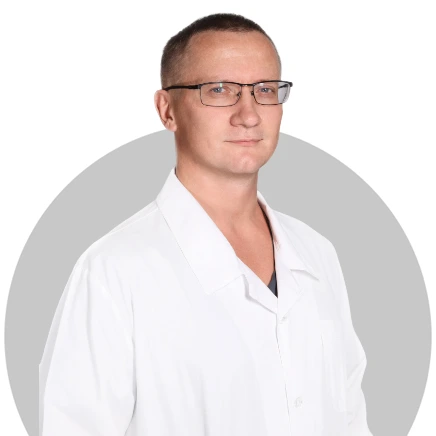
Inyakin Oleg Nikolaevich
Osteosynthesis of limb bones (intramedullary locked osteosynthesis, extramedullary osteosynthesis using locking plates, extrafocal compression-distraction osteosynthesis), osteosynthesis of pelvic bones, endoprosthetics, including robotic, of the knee, hip, and shoulder joints.
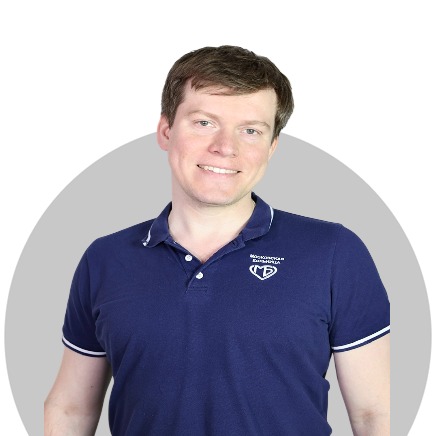
Danila Ananyin
He is proficient in various methods of limb osteosynthesis, including internal osteosynthesis using external and intramedullary constructs, as well as external fixation devices, both in the form of staged treatment and using the Ilizarov apparatus. In pelvic surgery, he is proficient in applying devices, including rod‑based ones and those based on the Ilizarov method, as well as C‑frames, extraperitoneal pelvic tamponade, minimally invasive fixation of the sacrum and sacroiliac joint with screws, osteosynthesis, and fixation of the anterior parts of the pelvic ring with plates, a pin, and screws, and the posterior parts with plates.
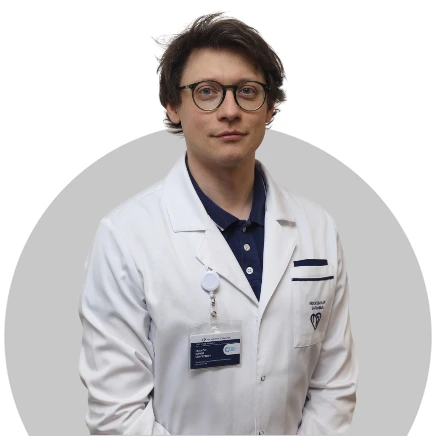
Esakov Yuri Sergeevich
Provides treatment to patients with all types of diseases of the thoracic organs: primary and metastatic lung cancer, secondary malignant neoplasms of the lungs, mediastinal tumors, malignant neoplasms of the trachea, chest wall, and diaphragm. The priority area of work is the performance of organ-preserving operations for primary and metastatic lung cancer. Performance of minimally invasive procedures that allow all types of diagnostic operations aimed at clarifying or verifying the diagnosis in tumor diseases of the lungs and chest.
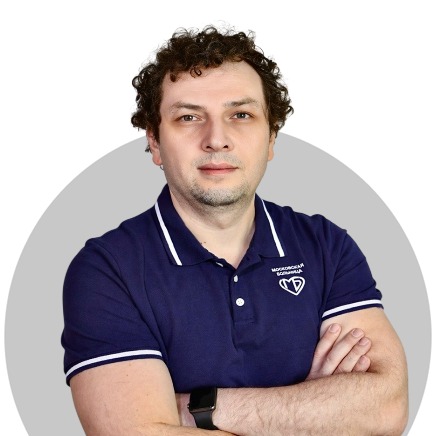
Rasul Aliev
Endoprosthetic replacement of large joints; Revision endoprosthetic replacement of the hip and knee joints; Reconstructive surgeries on the ankle joint; Reconstructive surgeries on the feet; Osteosynthesis of bones in various body segments; Conservative treatment of patients with pathology of the musculoskeletal system.
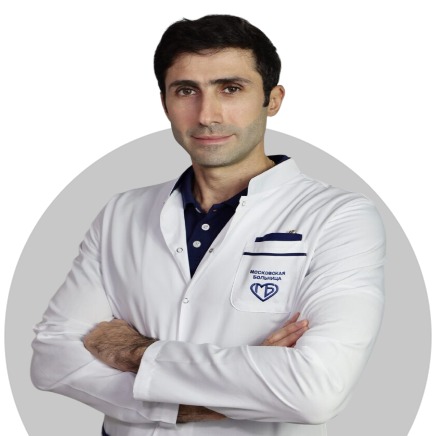
Artem Airapetyan
Surgery for arterial aneurysms and arteriovenous malformations, performing open, endovascular, and combined interventions, both in the acute period of hemorrhage and on a planned basis; Surgical interventions for occlusive-stenotic lesions (stenoses and occlusions) of the brachiocephalic arteries / surgical interventions for revascularization of the cerebral hemispheres due to ischemic cerebrovascular disorders, transient ischemic attacks, and also to prevent their occurrence. Minimally invasive, endoscopic interventions for patients with intracerebral hematomas resulting from hemorrhagic stroke; surgical treatment for patients with a malignant course of ischemic stroke; surgical treatment for cavernous angiomas located in hard-to-reach areas; surgical treatment of Kimmerle anomaly, minimally invasive interventions using the author’s technique. Surgical treatment for degenerative and dystrophic diseases of the spine, herniated intervertebral discs, and stenosis of the spinal canal in the cervical, thoracic, and lumbosacral regions of the spine; treatment of spinal fractures using modern minimally invasive types of reconstructive and stabilizing surgeries (percutaneous interventions, transpedicular and pediculolaminar fixation). Surgery for traumatic brain injury in the acute phase: brain injuries (brain contusions of varying degrees, diffuse axonal injury), acute intracranial hematomas, fractures of the bones of the calvarium and base of the skull, gunshot traumatic brain injuries; reconstructive surgeries on the skull and brain in cases of complex defects and deformities of the skull. Consequences of traumatic brain injury: post‑traumatic defects and deformities of the calvaria and base of the skull using 3D modeling, intracranial foreign bodies, chronic hematomas and hydromas, cerebrospinal fluid fistulas of the base of the skull (nasal, ear, ocular, wound cerebrospinal fluid leakage), meningoencephalocele, porrocephaly, pneumocephalus; surgical treatment of hydrocephalus using modern shunt systems, including endoscopic tricavitary stenting. Surgical treatment for inflammatory diseases of the brain and spine, abscesses, and spondylodiscitis; complications of traumatic brain injury — post‑traumatic meningitis, meningoencephalitis, ventriculitis, empyemas, brain abscess, epidural abscess, osteomyelitis of the skull bones, wound suppuration, subcutaneous phlegmons, sinus and venous thrombosis, necrosis of the skull bones and soft tissues of the head; treatment of pathological fractures in patients with osteoporosis who are elderly or of advanced age; percutaneous vertebroplasty for osteoporosis; surgical treatment of chronic vertebrogenic pain syndrome, facet joint blockade, radiofrequency denervation; treatment of the consequences of injuries and diseases of the peripheral nervous system, tunnel syndromes, compression neuropathies of the median nerve, ulnar nerve.
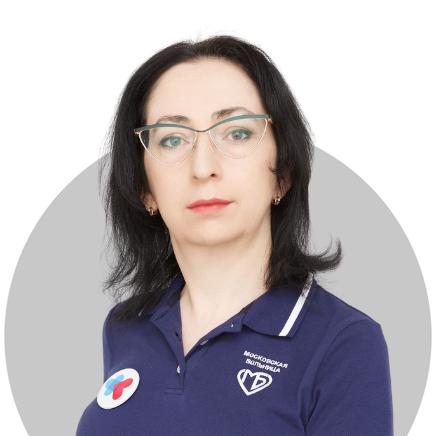
Zemfira Bekoeva
Treatment of patients diagnosed with: Cerebral infarctions (ischemic strokes) of all pathogenetic types Transient ischemic attacks Hemorrhagic strokes and subarachnoid hemorrhages
The best operating rooms, laboratories, and wards


Frequently Asked Questions
Yes, most international patients require a standard business visa for the purposes of treatment. This visa is issued based on an invitation from a Russian hospital. If your country has a visa-free agreement with Russia, you may enter without a visa, but you must still obtain the clinic's invitation. In medical emergencies, expedited entry may be possible within 4 hours prior to arrival, if the circumstances are verified. To confirm current requirements, please consult the Russian consulate in your country.
Please consider these recommendations before choosing a hospital in Moscow. Make sure the hospital specializes in the medical specialty you need. Check that it holds a valid license for medical practice. Ask about the cost of services, payment procedures, and whether it works with insurance providers. Find out if the facility is equipped with advanced technology, especially for high-tech surgery. Review the hospital's ratings and patient feedback on trusted platforms. Check whether the hospital has staff who speak your language or offers translation services. Ask if the clinic provides support for international patients, including assistance with documentation and migration registration. Consider the clinic's location, including transport accessibility and proximity to your place of stay. If necessary, consult a doctor in your own country for advice on choosing a clinic and appropriate level of care.
A surgery package includes:
- consultations with medical specialists;
- laboratory and imaging tests;
- other procedures and interventions;
- inpatient stay in a hospital room (if applicable);
- rehabilitation services (if applicable).
Consultations are priced according to the doctor's category, while hospital stay is priced according to the type of room.
A checkup program includes:
- consultations with medical specialists;
- laboratory and imaging tests;
- other procedures and interventions;
- inpatient stay in a hospital room (if applicable).
Hospital stay is priced according to the type of room.
Any medical and service-related costs not included in a package must be paid for separately at the clinic at the time of service.
You should contact the selected hospital to specify the accommodation-related information. If the clinic does not provide such services, you can use hotel booking platforms.
Yes, you can choose your doctor either by category—Consulting Physician, Expert Physician, Professor, or Clinical Academician—or by full name, if you know a specific specialist you would like to consult.
It lets you track your application status, promptly interact with clinics, upload medical files, and access teleconsultations to discuss treatment with doctors before you come to Moscow.
Fill out the application
We will help you choose services, a clinic and a suitable doctor. Just leave a request and we will contact you!